Your electric guitar was made to put out a vibrant, clear sound. Buying the right amplifier will assure a high level of sound, play and enjoyment. To make sure you get the best amplifier for your style of play and for your guitar, you will need to do some homework and most likely some legwork. The purchase of the right amplifier is a long-term solution so let's get it right the first time.
Let's start at the beginning. You need to determine your requirements. Usually the determining factors in buying an amplifier are budget, style and audience. If you will be playing for fun in your basement or garage, your requirements are less demanding than a guitarist who intends to play for big audiences. Checking with internet providers before visiting the local stores will help establish a reasonable budget. Today, there is no reason to spend more than your budget permits.
The Internet is the best and perfect medium to get information about amplifier before buying your guitar amplifier. Internet providers offer advice, chat rooms, forums and deep discounts. Before you finalize any purchase, you should always cross-check with online providers. Be sure to check manufacturer's warranties and glean any information you can so that when you visit those local stores you have product knowledge.
Tube amplifiers and solid state amplifiers are the two staples of the industry. You will select one of these types. Tube amplifiers became popular in the mid 20th century. They present accurate tone and are very reliable. The tube will need to be changed after a period of time and tubes are not inexpensive. Tube amplifiers also require regular maintenance.
The newer solid state amplifiers are basically maintenance free. The sound is sharp and they have great range. Best of all, there are no tubes to replace.
Tube amplifiers have the classic look. The tones are genuine and experienced guitarists feel they put out a bit more warmth. Tube amplifiers are more expensive than their counterparts which has increased the demand for solid state units.
Tube amplifiers are heavier and require more careful handling. While the sound generated by the tube is truer, it is often not as vibrant as the sound of the lighter solid state amp. Generally, experienced players prefer the tube amp while beginners migrate to the solid state.
Most beginning packages today are combination packages. Speakers, power amplifier and preamp are the mechanisms of guitar amplifier. These all-in-one packages are terrific for stay-at-home guitarists. They are easy to connect and easy to use. The speakers range from 8 inch to 12 inch sizes. Even if you take your act on the road and play before smaller audiences, these combo packs can get the job done.
When shopping for your first amplifier, ask as many questions as it takes to get comfortable. There is no need to rush. Remember that there are very competitive providers on the internet. Make sure to see, touch and hear the various systems at your local stores and then check the online opportunities. Wherever you end up, always consider the combination packs. These are great fits for most beginners.
Friday, 15 January 2010

Wednesday, 13 January 2010
The Best Of Guitar Effect Accessories
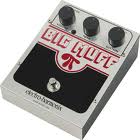
One of the important add ons to guitar are guitar effect accessories. They enhance the sound of guitar and allow the player to come up with different kinds of tones and sounds.
There are a whole lot of guitar effect accessories available today.
- Guitar to U.S.B interface: This particular accessory is very effective for practicing. It is a cable that can be adjoined with the U.S.B port of your personal computer. And after that you can jam as long as you want. You do not need any other accessory. All you need is your guitar, a computer or laptop and this U.S.B interface.
- Footswitch: It is a gazette that helps you to control the selection of loops. It also gives a hands free comfort to change the modes. It has got an option by which you can start and stop it automatically, if you want. It also provides you the system to record automatically.
- Foot pedal: This is a small processor kind of thing that provides you different facilities and effects. It has got a record option. It also contains some other facilities like, multiply, insert, mute, undo etc.
- Remote control pedal: This is a more advanced version of conventional pedals. They have some unique facilities, which will make the playing comfortable and enjoyable. This gazette has one pedal through which, the major functions of two amplifier foot switches can be fulfilled.
- Mini amp and distortion: This is the latest two in one version of guitar effect accessories. This is a mini amplifier. There is a very powerful inbuilt speaker in the pedal. After the amplifier is attached, it becomes a very strong distortion box.
- Mini auto guitar tuner pedal: This is a very short box. It fits easily in the pedal board. It instantly tunes the guitar with total accuracy. A digital needle indicates the state of the tune.
- Slap echo pedal: This pedal delivers the echo tone. Especially the shower room tone that was very popular in the 1950s.
- Flanger pedal: Another effect accessory that gives a flange effect.
- Acoustic guitar amp modeling effects pedal: Do you want an acoustic tone from an electric guitar? Don't have to think a lot or invent a new machine. This gazette will do that for you. You just need to plug in. And it will give clear tone of acoustic guitar.
- Digital stereo reverb guitar effects pedal: This is for reverb effects.
The above accessories are all for electric guitars. But there are other guitar effect accessories also, which are made for bass guitars.
- Bass guitar multi FX: It has got a good amplifier and many brilliant effects.
- Bass multi effects pedal: It is a bit advanced from the previous one. It contains drum machine, recording software, along with many effects.
These are the guitar effect accessories, which are available mainly for electric & bass guitars. There are lots of other accessories being invented everyday, especially for electric guitars. These accessories are making guitar playing a more enjoyable experience.
There are a whole lot of guitar effect accessories available today.
- Guitar to U.S.B interface: This particular accessory is very effective for practicing. It is a cable that can be adjoined with the U.S.B port of your personal computer. And after that you can jam as long as you want. You do not need any other accessory. All you need is your guitar, a computer or laptop and this U.S.B interface.
- Footswitch: It is a gazette that helps you to control the selection of loops. It also gives a hands free comfort to change the modes. It has got an option by which you can start and stop it automatically, if you want. It also provides you the system to record automatically.
- Foot pedal: This is a small processor kind of thing that provides you different facilities and effects. It has got a record option. It also contains some other facilities like, multiply, insert, mute, undo etc.
- Remote control pedal: This is a more advanced version of conventional pedals. They have some unique facilities, which will make the playing comfortable and enjoyable. This gazette has one pedal through which, the major functions of two amplifier foot switches can be fulfilled.
- Mini amp and distortion: This is the latest two in one version of guitar effect accessories. This is a mini amplifier. There is a very powerful inbuilt speaker in the pedal. After the amplifier is attached, it becomes a very strong distortion box.
- Mini auto guitar tuner pedal: This is a very short box. It fits easily in the pedal board. It instantly tunes the guitar with total accuracy. A digital needle indicates the state of the tune.
- Slap echo pedal: This pedal delivers the echo tone. Especially the shower room tone that was very popular in the 1950s.
- Flanger pedal: Another effect accessory that gives a flange effect.
- Acoustic guitar amp modeling effects pedal: Do you want an acoustic tone from an electric guitar? Don't have to think a lot or invent a new machine. This gazette will do that for you. You just need to plug in. And it will give clear tone of acoustic guitar.
- Digital stereo reverb guitar effects pedal: This is for reverb effects.
The above accessories are all for electric guitars. But there are other guitar effect accessories also, which are made for bass guitars.
- Bass guitar multi FX: It has got a good amplifier and many brilliant effects.
- Bass multi effects pedal: It is a bit advanced from the previous one. It contains drum machine, recording software, along with many effects.
These are the guitar effect accessories, which are available mainly for electric & bass guitars. There are lots of other accessories being invented everyday, especially for electric guitars. These accessories are making guitar playing a more enjoyable experience.
Monday, 23 November 2009
Guitar Effects - Pedal Or Multi-Pedal Effects Board?
I can remember even having this argument with my brother. I always said that I would much rather buy a single effect pedal over a multi pedal effect board any day, and our debating went round and round. So what are the perks of each one and which route is right for the every day guitarist consumer?
A single effect pedal has its rewards in the fact that they are typically of high quality, can be modeled after a famous guitar players set up, and have an exclusive sound, effect, or tone. The bad thing about them is the mullah. Single effect pedals can cost a fortune. The other bad part, and this is very common, is that people often grow instantly tired of their new effect pedal, and never use it again. Swooosh! two hundred dollars of fine craftsmanship out the window.
Multi pedal effect boards have their pros and cons too. The good parts about them is that they can be very cheap, sometimes less than a hundred dollars, and that these multi effect pedals can sport a large array of sounds. The bad news is that a lot of these sounds are just garbage and useless as some of them are over the top. The good news once again is that multi pedal effect technology has improved, or at least been taken more seriously, and now most of the effects sound pretty awesome.
Another good thing about the multi effects is that you can have plenty to work with to mix and match and create your own tone. These boards are also good for freeing up space, and are excellent for cable management.
I look at effect pedals as candy bars. They all have distinct packaging, and if you've never tried a certain candy bar before, then you're going to be curious about it. Pedals unfortunately are designed to visually make your mouth water, and not necessarily perform. So if your curiosity is driving you to make that choice, why not do it with a multi effect pedal board? This way, you can be guaranteed that you will walk away with at least twenty or so effects that you do like, and you may discover great combinations in the future.
What I really like about the multi boards is that it feels good and empowering, by arming you with the effects resources of a small studio, so in the long run your cup is quite full.
No effect can work without your willingness to master guitar playing. Learning guitar and having a good sound are a must, and it starts with the choice to learn and master guitar in every possible way.
Article Source: http://EzineArticles.com/?expert=John_Sibbs
A single effect pedal has its rewards in the fact that they are typically of high quality, can be modeled after a famous guitar players set up, and have an exclusive sound, effect, or tone. The bad thing about them is the mullah. Single effect pedals can cost a fortune. The other bad part, and this is very common, is that people often grow instantly tired of their new effect pedal, and never use it again. Swooosh! two hundred dollars of fine craftsmanship out the window.
Multi pedal effect boards have their pros and cons too. The good parts about them is that they can be very cheap, sometimes less than a hundred dollars, and that these multi effect pedals can sport a large array of sounds. The bad news is that a lot of these sounds are just garbage and useless as some of them are over the top. The good news once again is that multi pedal effect technology has improved, or at least been taken more seriously, and now most of the effects sound pretty awesome.
Another good thing about the multi effects is that you can have plenty to work with to mix and match and create your own tone. These boards are also good for freeing up space, and are excellent for cable management.
I look at effect pedals as candy bars. They all have distinct packaging, and if you've never tried a certain candy bar before, then you're going to be curious about it. Pedals unfortunately are designed to visually make your mouth water, and not necessarily perform. So if your curiosity is driving you to make that choice, why not do it with a multi effect pedal board? This way, you can be guaranteed that you will walk away with at least twenty or so effects that you do like, and you may discover great combinations in the future.
What I really like about the multi boards is that it feels good and empowering, by arming you with the effects resources of a small studio, so in the long run your cup is quite full.
No effect can work without your willingness to master guitar playing. Learning guitar and having a good sound are a must, and it starts with the choice to learn and master guitar in every possible way.
Article Source: http://EzineArticles.com/?expert=John_Sibbs
Thursday, 19 November 2009
Choosing Your First Tube Amplifier
For decades, it's been a general opinion that tube (or valve) amplifiers sound better than solid state amps.
First of all - what is a tube amp? A tube amp is a type of guitar amplifier that operates on valves (or vacuum tubes) instead of transistors. The sound you get from a tube amp is warmer and fuller that what you'd get from a solid state amp.
Valve amplifiers range from a few hundred dollars to a few thousand dollars, so the choice is really confusing! If you're reading this article, you've probably decided that it's time that you want to crank your volume past the 10 mark on your current practice amp or the tone just isn't satisfying you anymore.
There are a few things you have to know in order to make your decision. First of all, the type of music that you play, so that you can decide on the amount of gain that your amp needs to have. What is gain? Gain is basically a synonym for distortion. If you play mostly "clean" music (virtually, no amount of distortion), you won't need a lot of gain. If the music you play is blues or rock, you'll need a mild amount of gain, depending on how distorted you want the sound to be. If you play metal, you'll need a high-gain tube amp.
The most notable clean amp of all tube amp history is the Fender Bassman, the holy-grail of clean sounds. Generally, you'll want to look at Fender and Vox. Most tube amps have the amount of gain necessary for blues or rock (Marshalls, the expensive Buddas, the budget Blackhearts). Finally, if we're talking metal, you're going to want to look at Peavey, Mesa Boogie, ENGL.
The second aspect of a tube amp, why many people crave them, is the dynamic. Dynamic is the ability of the tube amp to sound clean when you're hitting the strings softly, and distorted when you're hitting them hard. This allows a great amount of expression. You're going to have to listen to an amp to see if it has this quality.
You'll also have to listen for definition, which is the ability to amplify every single note your play clearly. This is very important, otherwise you'll sound all muddy. The best way to test this is to play some chords, even fewer amps possess this quality.
Lastly, you'll just have to listen if it possesses the basic tonal characteristics that fit you. If the basic sound of the amp is bad, it will sound bad anyway you will adjust the equalizer, amount of gain, anything. It's not uncommon that you find bad tube amps made by prestigious brands. There's no such thing as "not knowing" if it sounds good or not, and although store employees can help you with various information such as amounts of gain, number of tubes, etc. they always want to convince you to buy the products you're trying. If you don't buy it, you can always come back another time and try it again, but if you do, you'll just lack motivation and it will harm your playing. This is important because tube amps aren't as cheap as a practice amp. Always try before you buy!
My name is Andrei Popa, and I've been playing electric guitar for 6 years now. I've bought and sold a lot of gear over the years, filtered all the guitar playing information I've received and have generally been through a lot of trial and error. I maintain a gear reviews website at http://guitar-gear-demos.blogspot.com
Article Source: http://EzineArticles.com/?expert=Andrei_Popa
First of all - what is a tube amp? A tube amp is a type of guitar amplifier that operates on valves (or vacuum tubes) instead of transistors. The sound you get from a tube amp is warmer and fuller that what you'd get from a solid state amp.
Valve amplifiers range from a few hundred dollars to a few thousand dollars, so the choice is really confusing! If you're reading this article, you've probably decided that it's time that you want to crank your volume past the 10 mark on your current practice amp or the tone just isn't satisfying you anymore.
There are a few things you have to know in order to make your decision. First of all, the type of music that you play, so that you can decide on the amount of gain that your amp needs to have. What is gain? Gain is basically a synonym for distortion. If you play mostly "clean" music (virtually, no amount of distortion), you won't need a lot of gain. If the music you play is blues or rock, you'll need a mild amount of gain, depending on how distorted you want the sound to be. If you play metal, you'll need a high-gain tube amp.
The most notable clean amp of all tube amp history is the Fender Bassman, the holy-grail of clean sounds. Generally, you'll want to look at Fender and Vox. Most tube amps have the amount of gain necessary for blues or rock (Marshalls, the expensive Buddas, the budget Blackhearts). Finally, if we're talking metal, you're going to want to look at Peavey, Mesa Boogie, ENGL.
The second aspect of a tube amp, why many people crave them, is the dynamic. Dynamic is the ability of the tube amp to sound clean when you're hitting the strings softly, and distorted when you're hitting them hard. This allows a great amount of expression. You're going to have to listen to an amp to see if it has this quality.
You'll also have to listen for definition, which is the ability to amplify every single note your play clearly. This is very important, otherwise you'll sound all muddy. The best way to test this is to play some chords, even fewer amps possess this quality.
Lastly, you'll just have to listen if it possesses the basic tonal characteristics that fit you. If the basic sound of the amp is bad, it will sound bad anyway you will adjust the equalizer, amount of gain, anything. It's not uncommon that you find bad tube amps made by prestigious brands. There's no such thing as "not knowing" if it sounds good or not, and although store employees can help you with various information such as amounts of gain, number of tubes, etc. they always want to convince you to buy the products you're trying. If you don't buy it, you can always come back another time and try it again, but if you do, you'll just lack motivation and it will harm your playing. This is important because tube amps aren't as cheap as a practice amp. Always try before you buy!
My name is Andrei Popa, and I've been playing electric guitar for 6 years now. I've bought and sold a lot of gear over the years, filtered all the guitar playing information I've received and have generally been through a lot of trial and error. I maintain a gear reviews website at http://guitar-gear-demos.blogspot.com
Article Source: http://EzineArticles.com/?expert=Andrei_Popa
Saturday, 14 November 2009
How To Choose A Guitar Amp
Here are some things to keep in your head when you are going out to buy your first guitar amp. There are different amps to suit different styles of guitar music. Blues, jazz and blues based rock are best served by the so-called "vintage" sound. This is the sound of the sixties, brought to the world by the likes of Led Zeppelin, Hendrix and Cream. You can get that authentic sound by getting yourself an effects program that can replicate many of the vintage amp sounds. For playing heavy metal high gain amps are the way to go. These amps give you greater distortion than the vintage amps.
Let's go onto the possibility that sometime in the near future you are going to be a professional or semi-professional guitar player. You will be getting paid to play the guitar on stage. People will enjoy hearing you play at your gigs but don't get the idea that your family will be enjoying listening to your guitar practice. The message here is to get a practice amp or an amp that's small enough to play through without making your family and neighbors mad. Either that or make sure the place you practice is separated by distance or thick walls from the rest of the world. If you must practice in your bedroom, get some headphones.
To use for practice or for small gigs you need a low wattage amp. It's best to go for a good tone so that your relationship with your amp will always be one of mutual respect. Don't let a guy in a guitar store sell you a big bad amp with a boatload of effects. You won't be needing any of that for quite a while, if ever. You will eventually become disenchanted with loudness but a good sound is a joy forever. So get a thirty watt amp and start working on being a serious musician.
The thing that makes the sound of your electric guitar into a nice tone is your pre-amp. You plug your guitar into it and it works on the noise from the strings to give it bass, treble and a number of other qualities that go into a great tone. You will find some pre-amps using MIDI technology to generate your tone. Using this kind of setup you can save your settings and access your preset effects with a pedal. It is best to get yourself a separate effects box. This will give you better quality effects and greater versatility.
Newbie guitar players are flocking to Guitar How-To for the free articles, tutorials and videos on every aspect of guitar playing you can think of. Fast track your guitar expertise now at http://guitar-how-to.com/
Let's go onto the possibility that sometime in the near future you are going to be a professional or semi-professional guitar player. You will be getting paid to play the guitar on stage. People will enjoy hearing you play at your gigs but don't get the idea that your family will be enjoying listening to your guitar practice. The message here is to get a practice amp or an amp that's small enough to play through without making your family and neighbors mad. Either that or make sure the place you practice is separated by distance or thick walls from the rest of the world. If you must practice in your bedroom, get some headphones.
To use for practice or for small gigs you need a low wattage amp. It's best to go for a good tone so that your relationship with your amp will always be one of mutual respect. Don't let a guy in a guitar store sell you a big bad amp with a boatload of effects. You won't be needing any of that for quite a while, if ever. You will eventually become disenchanted with loudness but a good sound is a joy forever. So get a thirty watt amp and start working on being a serious musician.
The thing that makes the sound of your electric guitar into a nice tone is your pre-amp. You plug your guitar into it and it works on the noise from the strings to give it bass, treble and a number of other qualities that go into a great tone. You will find some pre-amps using MIDI technology to generate your tone. Using this kind of setup you can save your settings and access your preset effects with a pedal. It is best to get yourself a separate effects box. This will give you better quality effects and greater versatility.
Newbie guitar players are flocking to Guitar How-To for the free articles, tutorials and videos on every aspect of guitar playing you can think of. Fast track your guitar expertise now at http://guitar-how-to.com/
Tuesday, 10 November 2009
Eight Popular Guitars
There are literally dozens of guitar brands on the market, some good, some bad and some unbelievably excellent If you want the best sound and quality, then it really does pay to choose a good brand name
There are literally dozens of guitar brands on the market, some good, some bad and some unbelievably excellent. If you want the best sound and quality, then it really does pay to choose a good brand name. You''ll pay more initially, but it''s worth it since you''ll just have to replace a cheap guitar pretty quickly.
Going with an established name will pretty much ensure you''re getting great quality. If you''re serious about playing, then you should definitely take a look at one of the following guitars.
Fender
This company is probably the best known when it comes to top of the line guitars. This is where the famous Stratocasters come from . . . the original guitars in this line are now worth hundreds of thousands of dollars. Fender also produces custom guitars, many of which can be seen in the hands of famous musicians like Santana.
Gibson
Another very popular guitar brand is Gibson, running almost neck in neck with Fender for quality. This brand has pretty much cornered the upper levels of the electric guitar market, though they also produce high quality acoustic instruments. Among musicians who use Gibson brand guitars are Soundgarden, Smashing Pumpkins and the Allman Brothers Band.
Yamaha
Well known as a musical company, Yamaha isn''t just a keyboard brand. They also turn out some great guitars that are sturdy and well suited to the life of a musician. Many of their designs are actually copies of more popular designs from the US, but they also have some original designs of their own that sell very well. It''s a brand name that is trusted, so many new musicians opt for this brand.
Ovation
These guitars are quite distinctive in how they look. With a rounded back and fibrglass body, Ovation guitars can''t be mistaken for any other brand. Besides the bowl-like back of the instrument, the sound holes are also different. Rather than one large hole, as other guitars have, these instruments tend to have groupings of smaller holes. Despite the odd looks, they are considered precision and provide great sound.
Martin
This brand is also known for its superiority in the world of guitars. Martins are usually more affordable than the top of the line guitars, but still produces excellent instruments. These guitars tend to be larger than the average acoustic guitar and are very popular among players who enjoy playing acoustic.
Alvarez
When it comes to acoustic guitars, Alvarez is certainly one of the first guitar brands that comes to mind. With over 60 years of experience in making precision instruments, Alvarez actually comes from a long Japanese line of well made classical instruments.
Jackson
Best known for the unique design of their guitars, Jackson instruments were originally meant to look like the Fender Strat, but quickly became a hardcore version made for rockers. The Jackson guitar line is usually associated with rock and metal music.
Guild
While perhaps not as well known as some of the above guitar brands, this is a good, solid company with years of excellent guitar making behind it. Guild is 100% American and has been around since the 1940''s. They are best known for making jazz guitars, but have since expanded into other areas, providing distinctive musical instruments and guitars.
There are plenty of different guitar brands to choose from, but if you want an instrument that will give you the quality of sound that you want and something that will last for a good long time, then it''s worth looking at the best in the business. The brands above are all top of the line and excellent guitars.
Music School offering Grand Pianos Toronto, voice, guitar and voice lessons Oakville and the GTA area. Visit our music store to find new and used pianos in Toronto.
Music School offering voice, drum and Voice Lessons Oakville, and in the GTA area. Visit us to learn more about Grand Piano Toronto.
Copyright (c) 2009 Free Online Library
This article can be reproduced subject to these terms. Syndicate this article. More free articles for syndication
There are literally dozens of guitar brands on the market, some good, some bad and some unbelievably excellent. If you want the best sound and quality, then it really does pay to choose a good brand name. You''ll pay more initially, but it''s worth it since you''ll just have to replace a cheap guitar pretty quickly.
Going with an established name will pretty much ensure you''re getting great quality. If you''re serious about playing, then you should definitely take a look at one of the following guitars.
Fender
This company is probably the best known when it comes to top of the line guitars. This is where the famous Stratocasters come from . . . the original guitars in this line are now worth hundreds of thousands of dollars. Fender also produces custom guitars, many of which can be seen in the hands of famous musicians like Santana.
Gibson
Another very popular guitar brand is Gibson, running almost neck in neck with Fender for quality. This brand has pretty much cornered the upper levels of the electric guitar market, though they also produce high quality acoustic instruments. Among musicians who use Gibson brand guitars are Soundgarden, Smashing Pumpkins and the Allman Brothers Band.
Yamaha
Well known as a musical company, Yamaha isn''t just a keyboard brand. They also turn out some great guitars that are sturdy and well suited to the life of a musician. Many of their designs are actually copies of more popular designs from the US, but they also have some original designs of their own that sell very well. It''s a brand name that is trusted, so many new musicians opt for this brand.
Ovation
These guitars are quite distinctive in how they look. With a rounded back and fibrglass body, Ovation guitars can''t be mistaken for any other brand. Besides the bowl-like back of the instrument, the sound holes are also different. Rather than one large hole, as other guitars have, these instruments tend to have groupings of smaller holes. Despite the odd looks, they are considered precision and provide great sound.
Martin
This brand is also known for its superiority in the world of guitars. Martins are usually more affordable than the top of the line guitars, but still produces excellent instruments. These guitars tend to be larger than the average acoustic guitar and are very popular among players who enjoy playing acoustic.
Alvarez
When it comes to acoustic guitars, Alvarez is certainly one of the first guitar brands that comes to mind. With over 60 years of experience in making precision instruments, Alvarez actually comes from a long Japanese line of well made classical instruments.
Jackson
Best known for the unique design of their guitars, Jackson instruments were originally meant to look like the Fender Strat, but quickly became a hardcore version made for rockers. The Jackson guitar line is usually associated with rock and metal music.
Guild
While perhaps not as well known as some of the above guitar brands, this is a good, solid company with years of excellent guitar making behind it. Guild is 100% American and has been around since the 1940''s. They are best known for making jazz guitars, but have since expanded into other areas, providing distinctive musical instruments and guitars.
There are plenty of different guitar brands to choose from, but if you want an instrument that will give you the quality of sound that you want and something that will last for a good long time, then it''s worth looking at the best in the business. The brands above are all top of the line and excellent guitars.
Music School offering Grand Pianos Toronto, voice, guitar and voice lessons Oakville and the GTA area. Visit our music store to find new and used pianos in Toronto.
Music School offering voice, drum and Voice Lessons Oakville, and in the GTA area. Visit us to learn more about Grand Piano Toronto.
Copyright (c) 2009 Free Online Library
This article can be reproduced subject to these terms. Syndicate this article. More free articles for syndication
Friday, 6 November 2009
All Amped About Guitar Amps: Which One Goes Where?
An important part of creating your own home recording studio requires understanding how the amp works, but more importantly, what job each type of amp has. This is, however, a simple concept to understand. For example, electric guitars require the use of an electric guitar amp whereas electric bass guitars require the bass amp. Acoustic-electric guitars use acoustic amplifiers, and, of course, acoustic guitars do not use amps. This basic information, however, is not all that is needed for a successful amp set up. Let's take a closer look.
Amps are a very tricky subject as there are just so many out there. The basic idea of them is to take the ultra low voltage coming from the pickups and bring them up to line level. Seems simple, but there is a lot that goes into how that signal is boosted.
The main two types of amps are tube and solid state. Tube amplifiers are the grand daddies of amplifiers and use vacuum tubes as their main amplifier. Solid state amplifiers use modern chips in place of the tubes. The difference is that tubes tend to add a warmth and smoothness to the sound but can also add a good amount of noise too. Solid state amps are more clean and solid, but can sound cold. All amps, whether for guitar, bass, or acoustic work the same but differ in where they focus their characteristics. This is not to say that you should plug a guitar into a bass amp. Sometime it will work, and sometimes it just won't.
The Relationship between Electric Guitars and Electric Guitar Amps
Electric guitars work on pickups. A pickup works by using a magnet that is wrapped in wire. The magnetic field rides just through the strings so when the string is strummed or plucked, it alters the magnetic field and produces an electrical signal at the same frequency as the note being played. The "tone" of the pickup is determined by how many times the wire is wound around the magnet. A standard electric pickup is wrapped around 5000 times, which is nothing to sneeze at.
A Humbucker pickup uses 2 of these wrappings to reduce the amount of noise that can be produced by the pickup. This, obviously, increases the quality of any guitar using Humbucker pickups.
Bass Electric Guitars and Their Amps
Bass guitars work pretty much the same way that an electric guitar does. The reason for a bass sounding so deep is the fact that they use thicker strings, which vibrate at a lower frequency by nature. Specifically, a bass amp is specially designed to focus on the lower frequency spectrum and boost it. A normal guitar amp focuses more on the mid to high frequency spectrum.
Furthermore, a guitar wire is wound around 5000 times using #42 wire. The more times it is wound, or the more tightly wound it is, the more the lower frequencies get tapered off. To exaggerate this effect, a bass uses thicker wire as well. Sometimes the pickup is split so that it looks like a z on the body. This way the two higher strings have a boosted sound and the lower ones produce a thicker sound because of the unique shape.
Acoustic-Electric Guitars and Acoustic Guitar Amps
Acoustic-Electric guitars and their amps work entirely different from electric guitars and amps as they use what is called a "piezo pickup."
A piezo pickup is essentially a dynamic microphone that only reacts when the string is plucked. This creates a more natural sound in relation to the actual acoustic sound. Today, even some electric guitars have piezo pickups added to them because they are so unique.
Now that you have the know how, you should also know that some amps are inter-compatible between guitars. What you can't know, however, is how well one guitar type, like a Fender, will be compatible with a different brand, like Line6, as I mentioned above. As Soundetta.com has suggested many times, ample amount of research can benefit you in decision making but I still insist that there is nothing better than pulling up a seat in your local guitar store with your girl in one hand and line into one amp at a time. Rock on.
For more information about guitar amplifiers and guitars, visit my blog Soundetta.com: Your Music Arena!, which is all about music!
Amps are a very tricky subject as there are just so many out there. The basic idea of them is to take the ultra low voltage coming from the pickups and bring them up to line level. Seems simple, but there is a lot that goes into how that signal is boosted.
The main two types of amps are tube and solid state. Tube amplifiers are the grand daddies of amplifiers and use vacuum tubes as their main amplifier. Solid state amplifiers use modern chips in place of the tubes. The difference is that tubes tend to add a warmth and smoothness to the sound but can also add a good amount of noise too. Solid state amps are more clean and solid, but can sound cold. All amps, whether for guitar, bass, or acoustic work the same but differ in where they focus their characteristics. This is not to say that you should plug a guitar into a bass amp. Sometime it will work, and sometimes it just won't.
The Relationship between Electric Guitars and Electric Guitar Amps
Electric guitars work on pickups. A pickup works by using a magnet that is wrapped in wire. The magnetic field rides just through the strings so when the string is strummed or plucked, it alters the magnetic field and produces an electrical signal at the same frequency as the note being played. The "tone" of the pickup is determined by how many times the wire is wound around the magnet. A standard electric pickup is wrapped around 5000 times, which is nothing to sneeze at.
A Humbucker pickup uses 2 of these wrappings to reduce the amount of noise that can be produced by the pickup. This, obviously, increases the quality of any guitar using Humbucker pickups.
Bass Electric Guitars and Their Amps
Bass guitars work pretty much the same way that an electric guitar does. The reason for a bass sounding so deep is the fact that they use thicker strings, which vibrate at a lower frequency by nature. Specifically, a bass amp is specially designed to focus on the lower frequency spectrum and boost it. A normal guitar amp focuses more on the mid to high frequency spectrum.
Furthermore, a guitar wire is wound around 5000 times using #42 wire. The more times it is wound, or the more tightly wound it is, the more the lower frequencies get tapered off. To exaggerate this effect, a bass uses thicker wire as well. Sometimes the pickup is split so that it looks like a z on the body. This way the two higher strings have a boosted sound and the lower ones produce a thicker sound because of the unique shape.
Acoustic-Electric Guitars and Acoustic Guitar Amps
Acoustic-Electric guitars and their amps work entirely different from electric guitars and amps as they use what is called a "piezo pickup."
A piezo pickup is essentially a dynamic microphone that only reacts when the string is plucked. This creates a more natural sound in relation to the actual acoustic sound. Today, even some electric guitars have piezo pickups added to them because they are so unique.
Now that you have the know how, you should also know that some amps are inter-compatible between guitars. What you can't know, however, is how well one guitar type, like a Fender, will be compatible with a different brand, like Line6, as I mentioned above. As Soundetta.com has suggested many times, ample amount of research can benefit you in decision making but I still insist that there is nothing better than pulling up a seat in your local guitar store with your girl in one hand and line into one amp at a time. Rock on.
For more information about guitar amplifiers and guitars, visit my blog Soundetta.com: Your Music Arena!, which is all about music!
Subscribe to:
Posts (Atom)